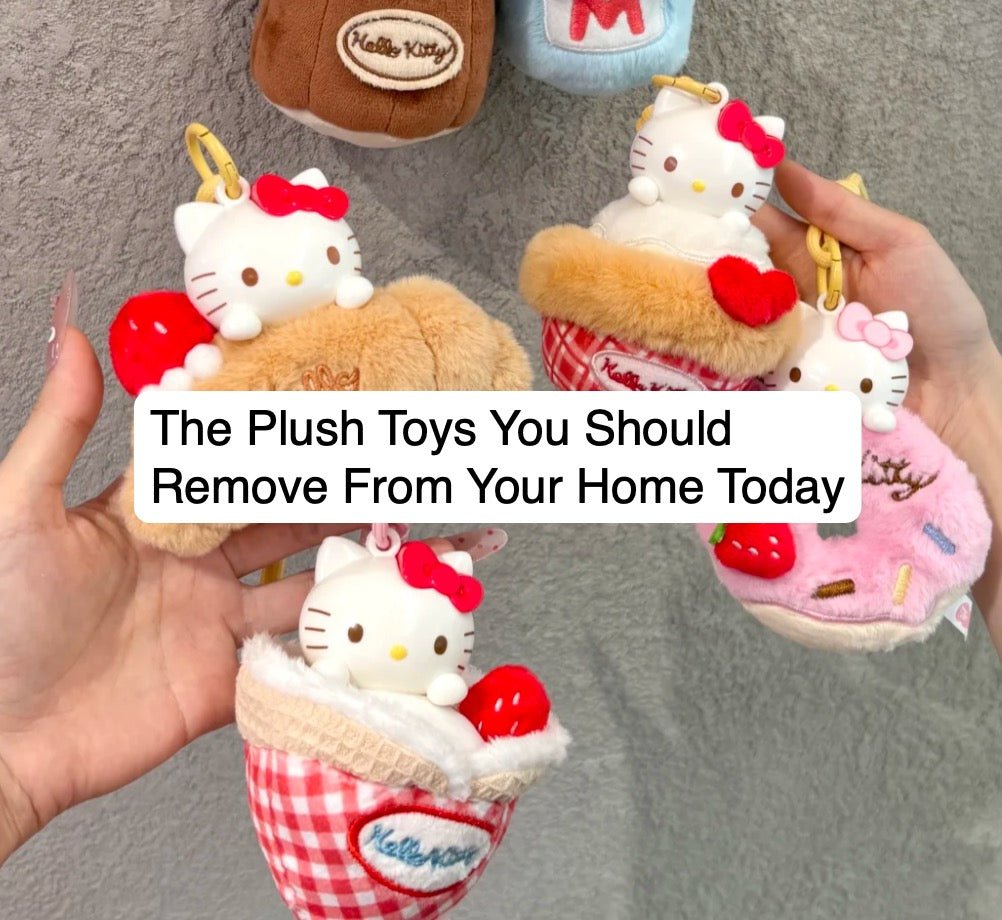

In today’s world, plush toys are no longer simple childhood accessories — they are design objects, emotional companions, collectible gifts, and sometimes lifelong keepsakes. From custom stuffed animals to limited-edition plush characters, these soft creations hold sentimental value that goes far beyond their material form.
But as time passes, a practical question arises:
How do you clean plush toys properly without damaging them?
As a professional custom plush manufacturer, we understand not only how plush toys are made, but also how they should be maintained. Below is a comprehensive guide on how to wash stuffed animals safely, whether through dry methods or water cleaning.
Do Plush Toys Really Need Cleaning?
Yes — and more often than many people realize.
Plush toys are typically displayed on beds, sofas, or shelves, where they accumulate dust over time. More importantly, their inner filling materials — often polyester fiber or cotton blends — can harbor bacteria, dust mites, and allergens if left uncleaned.
Regular plush toy cleaning is essential for:
-
Maintaining hygiene
-
Preserving fabric softness
-
Extending product lifespan
-
Protecting sensitive skin (especially children)
The correct cleaning method depends on the toy’s construction, material, and care label.
Dry Cleaning Methods for Plush Toys
Dry cleaning plush toys is ideal for delicate, collectible, or non-machine-washable pieces. It minimizes structural distortion while refreshing the surface.
1. The Coarse Salt Absorption Method
This is a traditional yet effective technique.

What you need:
-
Coarse salt (large grain)
-
A plastic bag large enough to hold the toy
Steps:
-
Place the plush toy inside the bag.
-
Add a generous amount of coarse salt.
-
Seal the bag tightly.
-
Shake vigorously for several minutes.
You’ll notice the salt gradually darkening as it absorbs surface dirt. The principle is simple: sodium chloride has mild adsorptive properties that help lift grime from fabric fibers.
After shaking, remove the toy and gently brush off any remaining salt particles.
This method works best for surface refreshment rather than deep sanitization.
2. Baking Soda Refresh
Baking soda can be used in a similar way. It helps neutralize odors and absorb light surface impurities. This is suitable for routine maintenance of stuffed animals stored indoors.

3. Cornmeal Surface Cleaning
Yes — ordinary cornmeal can also help clean plush toys.
Lightly mist the surface of the toy with water using a spray bottle (do not soak). Sprinkle cornmeal evenly over the surface and let it sit in a cool, ventilated space until completely dry. Once dry, shake or brush off the residue.
Cornmeal acts as a natural absorbent for oils and dust particles.
4. Professional Dry Cleaning Services
For high-value plush toys or those with strong sentimental meaning, professional dry cleaning may be the safest choice. Experienced cleaners understand how to handle structured plush forms, embedded components, and specialty fabrics without causing damage.
Washing Plush Toys with Water
Some plush toys are labeled as machine washable. Always check the care tag before proceeding.
1. Machine Washing Stuffed Animals

If the plush toy is machine washable:
-
Remove any detachable accessories or hard components.
-
Place the toy inside a laundry mesh bag to prevent deformation.
-
Use a gentle cycle with cold or lukewarm water.
-
Select mild detergent.
For better fabric preservation, many experts recommend using a small amount of shampoo instead of traditional laundry detergent. Shampoo is generally gentler on synthetic plush fabrics and helps maintain softness.
Avoid high-speed spin cycles that could distort the internal filling.
2. Hand Washing Plush Toys
Hand washing provides more control and is recommended for moderately delicate pieces.
Steps:
-
Fill a basin with lukewarm water.
-
Add a small amount of mild detergent or shampoo.
-
Gently press and rinse the toy — avoid excessive twisting.
-
Rinse thoroughly to remove all soap residue.
Do not use excessive detergent, as residue trapped inside filling material can attract bacteria over time.
Disinfecting and Drying
To disinfect stuffed animals, a small amount of mild disinfectant can be added during washing. Be cautious not to overuse chemical agents, especially for toys intended for children.
After washing:
-
Gently press out excess water (do not wring).
-
Pat the plush surface to redistribute internal filling.
-
Air dry in a well-ventilated space.
-
Avoid direct high heat.
It is critical that the plush toy dries completely — both externally and internally. Incomplete drying may encourage mold or bacterial growth inside the filling.
Once fully dry, lightly fluff and reshape the toy to restore its original structure.
Why Proper Care Matters
From a manufacturing perspective, plush toys are constructed through carefully engineered pattern development, precision stitching, balanced filling distribution, and fabric selection optimized for touch and durability.
Improper washing methods can compromise:
-
Stitch integrity
-
Fiber elasticity
-
Filling density
-
Surface texture
Thoughtful maintenance ensures the toy remains as soft, safe, and structured as originally designed.
Final Thoughts
Plush toys are more than decorative objects — they are emotional artifacts. Whether you own a childhood companion or a custom plush designed for your brand, knowing how to clean stuffed animals correctly protects both hygiene and craftsmanship.
As a dedicated custom plush toy manufacturer, we believe every plush creation deserves thoughtful care. With proper cleaning techniques, your beloved companion can remain fresh, safe, and beautifully preserved for years to come.
If you are looking to develop your own high-quality custom plush collection, our team is always ready to assist — from concept to creation.